Papa Bunny SVG: A Designer’s Real-World Review
As a designer who spends half my life staring at digitized files and the other half watching needles punch through fabric, I have developed a specific set of criteria for evaluating any new asset. It is not just about whether an image looks cute on a screen. It is about how that design translates into thread, how it behaves under tension, and whether it adds genuine value to a finished product. Recently, I spent some time analyzing the Papa Bunny Svg, a graphic file intended for cutting and embroidery applications, to see if it holds up in a professional craft environment.
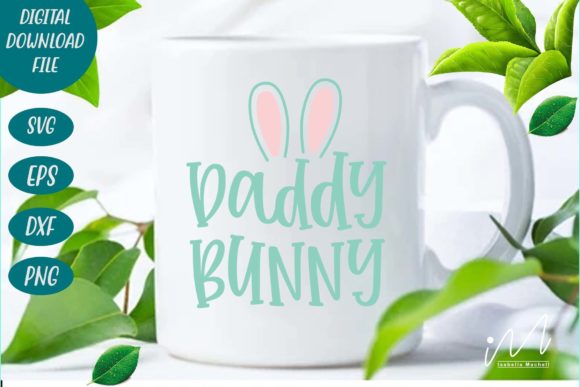
The first impression of this design is one of approachable warmth. The theme is clearly centered around family and springtime celebrations, leveraging the cultural shorthand of the "Papa" figure combined with the softness of bunny imagery. Visually, the layout feels balanced. It does not suffer from the cluttered aesthetics that plague so many low-quality graphics found in the vast ocean of online marketplaces. For those of us working in Crafts and digital Graphics, clarity is king. If a customer cannot read the sentiment or identify the subject from three feet away, the design has failed its primary purpose.
Visual Personality and Project Fit
When I look at Papa Bunny Svg, I do not just see lines and curves; I see potential products. The mood it creates is nostalgic yet modern, fitting perfectly into the current trend of personalized, boutique-style home goods. This is not a design that screams for attention with neon colors or aggressive typography. Instead, it invites a closer look. It belongs naturally on items that are meant to be held, worn, or gifted with intention.
In a real-world scenario, I imagined preparing a custom order for a client who wanted matching family apparel for Easter. While the children might wear designs with more playful, chaotic elements, the adult male figure often requires something slightly more subdued but still thematic. This is where Papa Bunny Svg shines. It bridges the gap between childish whimsy and adult appreciation. I could easily visualize this stitched onto a high-quality cotton tote bag, where the clean lines would stand out against the natural texture of the canvas. It also works exceptionally well for a sweatshirt embroidery project, where the softness of the fleece complements the gentle nature of the bunny motif.
Performance in Real Embroidery Situations
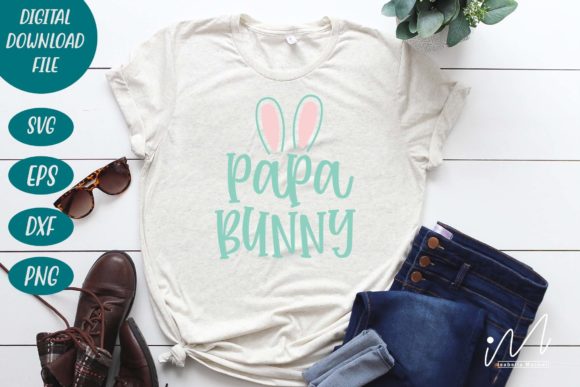
Translating a vector file into a physical machine embroidery design requires careful consideration of stitch types and density. Since this product is delivered as SVG, DXF, EPS, and PNG formats, it is primarily a cut file that must be digitized or used as a reference for embroidery software. This distinction is crucial for any serious Etsy seller or craft business owner. You are not buying a pre-digitized embroidery file with fixed stitch paths; you are buying the artwork to create one.
This flexibility is both a strength and a responsibility. When converting this graphic for a custom apparel piece, such as a polo shirt or a structured cap, I would recommend using a combination of fill stitch for the larger shapes and satin stitch for the borders and text. The quote ” Papa bunny ” suggests that typography is a key component. In embroidery, small lettering can become illegible if the stitch density is too high or if the font weight is too thin. Therefore, when digitizing this design assets package, one must ensure the text is thick enough to hold stitches without merging into a blob.
For a personalized gift like a baby blanket or a nursery decor pillow cover, the design allows for creative color play. I tested the visual concept in my mind against various thread colors. Pastel blues and mint greens work beautifully for a spring vibe, while earthy tones like taupe and sage give it a modern, gender-neutral appeal suitable for contemporary interiors. The transparency of the included PNG allows for quick mockups, which is essential for creating compelling printable mockup images for your online shop before you even stitch a single thread.
Navigating Fabric and Hoop Constraints
Every designer knows that fabric choice can make or break an embroidery project. With Papa Bunny Svg, there are specific areas where caution is advised. If you are planning to use this on stretchy fabrics like jersey knits for t-shirts, proper stabilization is non-negotiable. Without a cut-away stabilizer, the design may pucker over time, distorting the bunny shape and the text.
Additionally, consider the hoop size. If you are working with a small 4x4 inch hoop, you may need to scale down the design significantly. When scaling down, watch the details. Tiny corners in the bunny ears or the serifs of the letters can become problematic if they are too small for the needle to penetrate cleanly. On textured fabrics like terry cloth towels or denim, the design needs bold lines to remain visible. Fine details may get lost in the pile of the towel or the weave of the denim. In these cases, simplifying the digitization process by reducing complex curves to smoother paths will yield a cleaner finished product.
Dark fabrics present another challenge. If you are stitching this onto a navy or black garment, you must ensure high contrast. A light-colored thread is essential, but you must also consider using an underlay stitch to prevent the dark fabric from showing through the lighter top stitches. This is particularly important for the text portion of the design, where readability is paramount.
Commercial Value and Brand Consistency
For small shop product creators, consistency is key to building brand trust. Using a cohesive design style across your inventory helps customers recognize your work. Papa Bunny Svg fits well into a broader collection of family-themed graphics. If you already sell "Mama Bear" or "Sister Bunny" designs, this file allows you to expand your catalog logically. It enhances the perceived value of your handmade product because it looks intentional and professionally curated rather than randomly assembled.
However, before listing any items made with this graphic, you must verify the licensing terms. Since the product description mentions commercial use implications for digital files, always confirm whether the license covers physical sales of embroidered items. Most SVG licenses allow for unlimited physical products, but it is vital to read the specific terms provided by the creator. This protects your commercial embroidery business from potential copyright issues down the line.
Practical Designer Notes for Implementation
To get the best results from Papa Bunny Svg, follow these practical steps:
- Test on Scrap Fabric: Always run a test stitch-out on the same type of fabric you plan to use for the final item. This reveals any tension issues or thread breaks.
- Check Contrast: View your digitized design in black and white. If the details disappear in monochrome, they will likely be hard to see in thread as well.
- Review Stitch Density: Ensure the density is appropriate for the fabric weight. Heavy density on lightweight fabric causes puckering; light density on heavy fabric looks sparse.
- Inspect Small Details: Zoom in on the digitized version to check for tiny jumps or unnecessary trims that could cause thread nests.
- Confirm Licensing: Double-check the usage rights for selling finished physical goods versus digital redistribution.
In conclusion, Papa Bunny Svg is a versatile and charming asset for designers who understand the technical nuances of embroidery. It offers a solid foundation for creating high-quality, emotionally resonant products. Whether you are making a holiday embroidery piece for a family gathering or a year-round embroidered patch for a boutique brand, this design holds up under scrutiny. It requires thoughtful digitization and careful material selection, but the result is a professional, heartfelt item that customers will cherish. For the experienced maker, it is a reliable tool in the creative toolkit.