Reviewing Bunny Dude Svg for Real Embroidery Projects
As a designer who has spent countless hours digitizing and stitching out files, I have learned that not every cute graphic translates well to thread. When I first opened the Bunny Dude Svg, my initial reaction was one of cautious optimism. The quote “Bunny dude” suggests a laid-back, humorous vibe that is currently trending in the handmade market. However, seeing a vector on a screen is vastly different from watching a needle punch through fabric. I wanted to evaluate this design not just as a digital asset, but as a viable component for real-world Crafts and commercial products.
First Impressions and Visual Personality
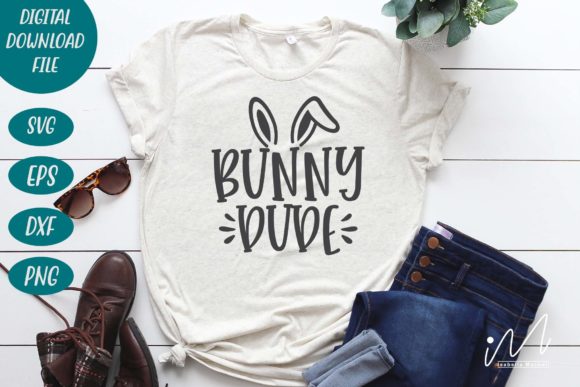
The mood of this design is playful and modern. It does not rely on overly intricate shading or complex gradients, which is a relief for embroidery work. In the world of Graphics, simplicity often wins when you are dealing with the physical limitations of thread. The layout appears balanced, with the text and imagery working together rather than competing for attention. For an embroidery project, this balance is crucial. If the elements are too close, the stitches will merge; if they are too far apart, the design loses cohesion. From a visual standpoint, Bunny Dude Svg feels like it belongs on casual wear or home decor items that aim to spark a smile rather than convey formal elegance.
Real-World Application: The Custom Tote Bag Test
To truly understand how this file performs, I imagined a specific scenario: creating a custom embroidered tote bag for a spring boutique collection. Tote bags are typically made from canvas or heavy cotton, which provides a stable base for stitching. I envisioned placing the Bunny Dude Svg centrally on the bag. The boldness of the design would stand out against the neutral texture of the fabric. For an Etsy seller or small shop product, this kind of clear, readable design is gold. Customers scrolling through online listings need to instantly grasp the theme. A cluttered design gets lost in thumbnail views, but a clean graphic like this retains its integrity even at smaller sizes.
Beyond tote bags, this design has strong potential for sweatshirt embroidery. The relaxed fit of a crewneck sweatshirt pairs perfectly with the “dude” aesthetic. Here, the challenge shifts slightly. Sweatshirt fabric is thicker and often has a fleece backing. I would need to ensure that the stitch density is appropriate so the garment does not become stiff or puckered. If the original SVG is converted into a machine embroidery design with too many fill stitch areas, it could weigh down the fabric. A smart digitizer would likely use a combination of satin stitch for the outlines and lighter fill patterns for any larger shapes to maintain softness.
Navigating Technical Constraints and Fabric Choices
While the design is charming, there are areas where caution is necessary. The product description notes that you receive SVG, DXF, EPS, and PNG formats. This is excellent for cutting machines and digital previews, but it is critical to remember that these are not native embroidery files like PES or DST. You will need appropriate software to convert or trace these vectors into stitch data. This step is where many beginners stumble. Without proper conversion, you might end up with excessive stitch density or poor pathing.
I would advise testing the design on scrap fabric before committing to a final handmade product. Pay close attention to small details. If the bunny’s ears or the lettering in “Bunny dude” are very thin, they may require a running stitch outline to prevent them from getting lost in the fabric texture. On dark fabrics, contrast becomes a major issue. A black thread on a navy sweatshirt will vanish. Always check your thread colors against the background material. For textured fabrics like terry cloth towels or ribbed knits, a dense underlay is essential to keep the stitches from sinking into the pile.
Curved surfaces, such as caps or baby hats, present another challenge. The hoop size must be selected carefully to ensure the design fits without distortion. If the design is too wide, it may wrap around the curve of a cap awkwardly. In such cases, resizing the Bunny Dude Svg proportionally is key. Since the file allows you to change the size with appropriate software, you have the flexibility to scale it down for a baby embroidery project on a onesie or up for a large pillow cover.
Commercial Viability and Brand Consistency
For commercial embroidery and craft business owners, consistency is vital. Using a design like this across multiple products—such as aprons, tea towels, and patches—can help build a recognizable brand aesthetic. The playful nature of the design makes it ideal for holiday embroidery gifts, particularly for Easter or spring-themed collections. It also works well for personalized gift items where the recipient appreciates humor and whimsy.
However, professionalism lies in the execution. A poorly stitched version of a cute design can damage customer trust. Ensure that you use the correct stabilizer for your fabric type. Cut-away stabilizer is generally safer for stretchy fabrics like t-shirts, while tear-away works well for stable wovens. Before listing a digital embroidery file or selling finished items, confirm the licensing terms. Just because you have the SVG does not automatically grant commercial rights for the stitched output, depending on the creator’s specific policies. Always verify this to protect your small business from legal issues.
Final Designer Notes
In summary, Bunny Dude Svg is a versatile asset for designers who understand the translation from vector to stitch. It offers a fresh, modern look that fits well within current trends for casual apparel and home decor. To get the best results:
- Test the design on scrap fabric to check for puckering or thread breaks.
- Use high-contrast thread colors to ensure readability on dark or textured materials.
- Adjust stitch density during digitization to suit the fabric weight.
- Confirm hoop size compatibility for curved or small items like caps and baby clothes.
- Verify commercial licensing rights before selling finished products or digital assets.
By treating this graphic with the technical respect it deserves, you can create high-quality design assets that enhance your portfolio and delight your customers. Whether you are making a single embroidered patch for a friend or a batch of tote bags for a craft fair, this design has the potential to perform beautifully if handled with care and precision.