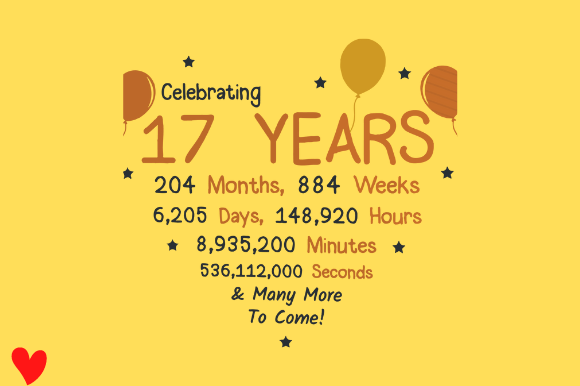
Reviewing the 17th Birthday Design for Real Embroidery Projects
As a designer who has spent years digitizing patterns and testing them on everything from flimsy silk to heavy denim, I approach every new machine embroidery design with a critical eye. It is not enough for a graphic to look good on a screen; it must survive the needle, the thread tension, and the wash cycle. Recently, I evaluated the 17TH BIRTHDAY graphic, a digital asset marketed toward print-on-demand businesses and crafters. While the product description highlights its potential for jewelry and t-shirt graphics, my focus was strictly on how this design translates into a tangible embroidery project.
First Impressions and Visual Personality
The initial visual impact of the 17TH BIRTHDAY design is bold and celebratory. In the realm of Crafts and Graphics, birthday designs often fall into two traps: they are either too childish or too generic. This design strikes a balance that feels appropriate for a teenager transitioning into young adulthood. The layout suggests a strong typographic focus, which is excellent for readability but requires careful handling during the digitizing process.
When I imagine this stitched out, the mood is energetic yet polished. It does not scream "childish party" but rather acknowledges a milestone. For an Etsy seller or a small shop product creator, this versatility is key. It allows the final piece to be worn by a seventeen-year-old without feeling juvenile, making it a viable option for custom apparel beyond just children’s wear.
Real-World Application: The Sweatshirt Test
To truly understand the value of this design, I visualized a specific real-life scenario. Imagine a customer ordering a personalized gift for their niece’s seventeenth birthday. They want something she will actually wear, not just hang on her wall. A high-quality cotton blend sweatshirt becomes the perfect canvas.
Placing the 17TH BIRTHDAY design on the left chest or centered on the back of a sweatshirt embroidery project creates a boutique feel. Unlike printed ink, which can crack over time, embroidered text adds texture and perceived value. The raised threads catch the light, giving the finished product a premium look that justifies a higher price point in a craft business. If I were producing this for a client, I would likely pair the text with a small decorative element, such as a star or balloon, using a satin stitch for crisp edges and a fill stitch for any larger graphical components to ensure durability.
Versatility Across Product Lines
Beyond sweatshirts, this design has legs in other categories. Consider a sturdy canvas tote bag design. Teenagers often carry books, gym gear, or art supplies, and a personalized bag is both practical and stylish. The bold nature of the text ensures it remains legible even from a distance. Similarly, this could work well as an embroidered patch that can be ironed or sewn onto denim jackets or backpacks, offering a customizable accessory that appeals to the teen demographic.
For those in the commercial embroidery sector, this design could be part of a broader collection of age-specific milestones. Offering a consistent style across ages 16, 17, and 18 helps build brand consistency for design assets sellers. It allows customers to recognize your shop’s aesthetic immediately, fostering trust and repeat business.
Technical Considerations and Stitching Challenges
While the aesthetic appeal is strong, the technical execution requires attention. Typography-based designs are notoriously tricky in embroidery. Thin lines can disappear, and tight corners can cause thread breaks or bird nests. When working with the 17TH BIRTHDAY file, I recommend checking the stitch density carefully. If the design was originally created as a flat graphic for printing, it may need optimization for stitching.
Here are specific areas where caution is needed:
- Small Hoop Sizes: If you are stitching on a cap or a small item, ensure the design fits within your hoop without compromising the integrity of the letters. Crowding the edges can lead to puckering.
- Fabric Texture: On textured fabrics like terry cloth or fleece, fine details may get lost. A running stitch underlay might be necessary to stabilize the fabric before the main stitching begins.
- Dark Fabric: If stitching on black or navy, ensure you have high-contrast thread colors. White, gold, or bright neon threads will pop, while pastels may look muddy.
- Stretchy Fabric: For t-shirts, a cut-away stabilizer is essential to prevent the design from distorting after washing. Without proper support, the letters may warp, ruining the clean look of the custom apparel.
Enhancing Visual Appeal and Customer Trust
The quality of the embroidery directly impacts customer trust. A sloppy stitch-out suggests a lack of professionalism, whereas a clean, dense, and well-balanced design signals quality. The 17TH BIRTHDAY design, when executed correctly, enhances the handmade product experience. It shows that care was taken in selecting the right thread and stabilizer.
For digital embroidery file sellers, providing mockups that show the design on various backgrounds is crucial. Create printable mockup images showing the design on light and dark fabrics. This helps buyers visualize the end result and reduces hesitation. Highlighting the design’s suitability for holiday embroidery gifts or milestone celebrations can also boost engagement.
Practical Designer Notes for Best Results
Before committing to a full production run or selling the final item, follow these practical steps:
- Test on Scrap Fabric: Always stitch a test sample on the same type of fabric you intend to use for the final product. This reveals any issues with tension or density.
- Check Thread Contrast: View your design in black and white. If the elements blend together, adjust your thread palette to ensure clarity.
- Verify Licensing: The product description mentions POD use, but always confirm the specific license terms. Ensure you have the right to sell finished items or if the license is restricted to personal use only.
- Inspect Small Details: Zoom in on the digitized file. Look for jump stitches that are too long or areas where the needle might hit the same spot repeatedly, which can damage the fabric.
- Use Proper Stabilizer: Match your stabilizer to your fabric. Tear-away for stable woven fabrics, cut-away for knits, and wash-away for delicate materials.
In conclusion, the 17TH BIRTHDAY design offers a solid foundation for creative entrepreneurs. It bridges the gap between graphic design and tactile craft, providing a versatile asset for those looking to expand their personalized gift offerings. By paying attention to the technical nuances of embroidery—such as stabilizer choice, thread contrast, and fabric compatibility—you can transform this digital file into a high-value physical product that resonates with customers. Whether you are creating a unique baby embroidery keepsake for a younger sibling or a trendy top for the birthday teen, this design holds promise for those willing to put in the craftsperson’s care.