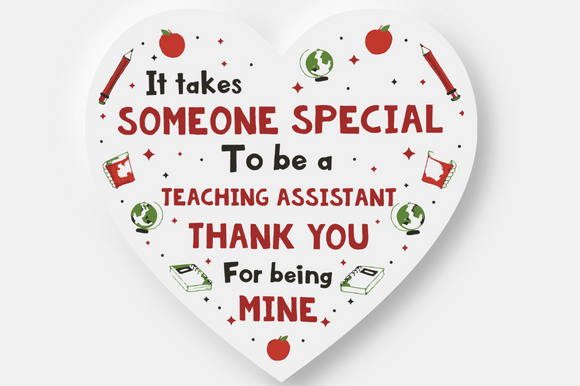
Reviewing the GREAT TEACHING GIFT Design for Embroidery
As a designer who has spent countless hours digitizing patterns and testing them on everything from stiff canvas to delicate jersey, I approach every new machine embroidery design with a critical eye. It is not enough for a graphic to look good on a screen; it must survive the needle, the thread tension, and the wash cycle. Recently, I evaluated the GREAT TEACHING GIFT graphic asset to determine its viability for real-world embroidery projects. This piece falls under the broader categories of Crafts and Graphics, specifically tailored for those looking to create tangible products rather than just digital files.
First Impressions and Visual Personality
The first thing that strikes you about the GREAT TEACHING GIFT concept is its inherent warmth. It carries a vintage, retro aesthetic that resonates deeply with current trends in handmade goods. The typography suggests a hand-lettered feel, which is crucial for embroidery because rigid, computer-generated fonts often look sterile when stitched out. The layout appears balanced, offering enough negative space to allow the stitches to breathe without creating excessive pull on the fabric.
For an embroidery designer, the mood is inviting. It feels nostalgic yet modern, making it suitable for a wide range of demographics. Whether you are targeting seasoned educators, student teachers, or parents looking for a thoughtful present, the visual personality of this design communicates appreciation and professionalism simultaneously. It does not scream for attention but rather invites a closer look, which is exactly what you want in a high-quality finished product.
Real-World Application: The Custom Tote Bag Scenario
To truly test the potential of this design, I imagined a specific client scenario. A local boutique owner approached me to create a line of durable canvas tote bags for teacher appreciation week. She needed something that looked premium but could withstand daily use. The GREAT TEACHING GIFT design seemed like the perfect candidate.
In this context, the design’s structure matters immensely. For a tote bag, you need bold lines that hold up against the coarse texture of canvas. If the design relies too heavily on tiny details, they get lost in the weave. However, if it uses solid shapes and clear typography, it becomes a statement piece. I visualized using a combination of satin stitch for the borders and a dense fill stitch for any graphical elements to ensure durability. The result would be a tactile, raised effect that adds significant perceived value to the handmade product.
Versatility Across Product Lines
Beyond tote bags, this graphic demonstrates strong versatility for various embroidery project types. Here is how it performs across different items:
- Sweatshirt Embroidery: On fleece or cotton blends, the design can serve as a chest logo or a larger back print. The retro vibe pairs exceptionally well with heather grey or navy fabrics.
- Embroidered Patch: Creating a standalone patch allows for maximum creativity. You can use a heavy stabilizer and merrowed edges to create a professional badge that teachers can pin onto jackets or bags.
- Baby Embroidery: While the theme is educational, softening the color palette makes it suitable for onesies or bibs for teacher’s pets or classroom mascots.
- Holiday Embroidery: With minor color adjustments, such as adding reds and greens, this can easily transition into a Christmas gift for school staff.
For Etsy sellers and small shop product creators, this versatility is key. It allows you to maximize your inventory by offering the same design on multiple items, reducing the need for constant new digitization.
Technical Considerations and Stitching Clarity
When translating a graphic intended for POD (Print on Demand) or general design assets into an embroidery file, technical judgment is required. The original description mentions vintage effects and typography. In embroidery, "vintage" often implies distressed textures. However, stitching distress is difficult. Instead of trying to stitch every scratch and fade, I recommend simplifying the design to its core shapes.
Pay close attention to thread colors. High contrast is essential for readability. If you are stitching on dark fabric, ensure you have a light underlay or choose bright thread colors. Conversely, on light fabrics, deep blues or burgundies will make the text pop. Always check the stitch density. Too many stitches in a small area can cause puckering, especially on thinner materials like t-shirts. A well-digitized version of this design should use running stitches for fine details and limit fill areas to prevent stiffness.
Where to Use Caution
Not every surface is ideal for this type of graphic. Be cautious when applying it to:
- Stretchy Fabric: Without proper stabilization, the text may distort after washing. Always use a cut-away stabilizer for knits.
- Curved Surfaces: Caps and hats require specialized digitizing. The curvature can warp the text, so the design may need to be arched or simplified further.
- Tiny Lettering: If the original graphic includes small subtext, it may not stitch out clearly below 0.25 inches. Consider removing or enlarging these elements for embroidery purposes.
Enhancing Brand Consistency and Value
Using a cohesive design like GREAT TEACHING GIFT helps build brand trust. Customers recognize quality when they see clean stitching and thoughtful placement. For commercial embroidery businesses, this means fewer returns and higher customer satisfaction. It also enhances the giftability of the item. A well-executed embroidered gift feels personal and lasting, unlike a printed item that may fade.
For those creating printable mockup previews for their online stores, ensure the digital representation matches the stitched reality. Misleading images can lead to disappointed buyers. Show the texture of the thread and the slight raise of the stitches to set accurate expectations.
Practical Designer Notes
Before launching this design into your craft business, follow these steps:
- Test on Scrap Fabric: Never stitch directly on the final garment. Test on similar material to check for puckering or thread breaks.
- Check Licensing: Since this is described as a graphic design for POD, verify if the license covers physical embroidered goods. Some digital licenses restrict commercial use of the stitched output.
- Inspect Small Details: Zoom in on the digitized file. Are there unnecessary jump stitches? Is the underlay sufficient?
- Compare Backgrounds: View the design on both light and dark backgrounds to ensure versatility.
In conclusion, the GREAT TEACHING GIFT design holds significant promise for embroidery professionals. With careful digitizing and thoughtful material selection, it can become a staple in your portfolio of custom apparel and personalized gifts. It bridges the gap between digital graphics and tactile art, offering a meaningful way to celebrate educators through the timeless craft of embroidery.