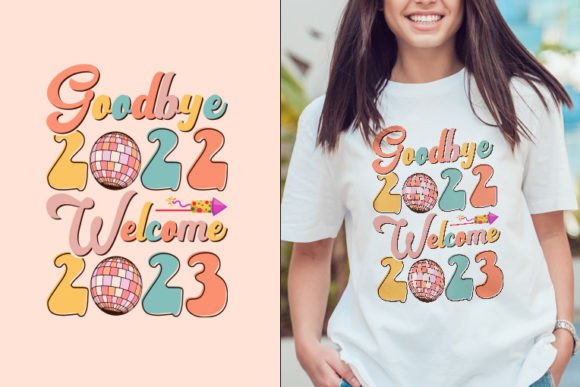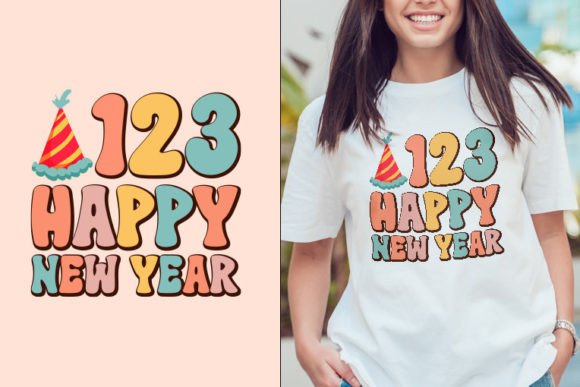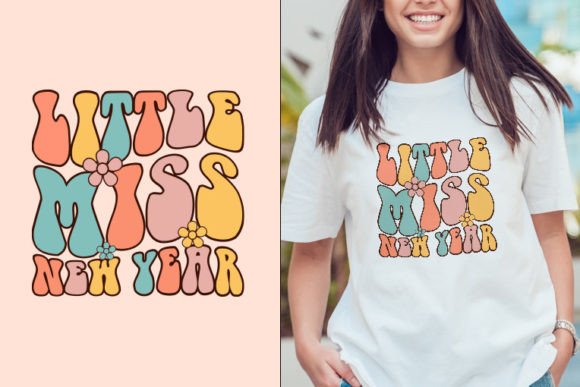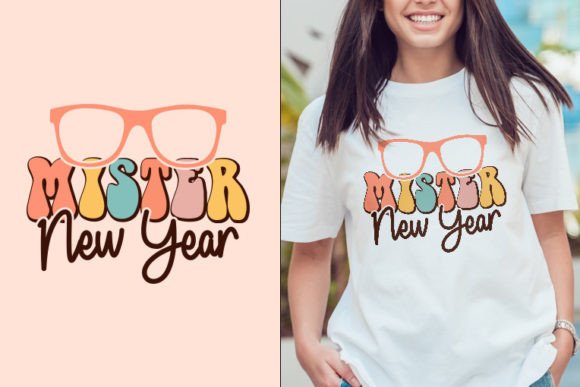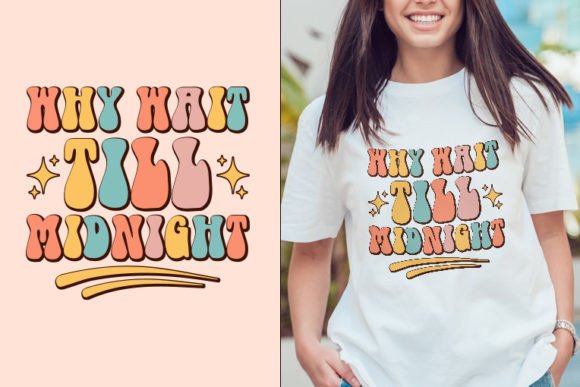
Reviewing Why Wait Happy New Year Retro SVG Design
As a designer who has spent countless hours digitizing and stitching for clients, I approach every new machine embroidery design with a critical eye. It is not just about whether the file opens correctly; it is about how the design translates from a digital screen to physical thread. Recently, I evaluated the Why Wait Happy New Year Retro SVG Design to determine its viability for real-world projects. This assessment focuses on practical application for embroidery designers, small business owners, and crafters looking to elevate their holiday offerings.
First Impressions and Visual Personality
The immediate appeal of this design lies in its nostalgic charm. The retro aesthetic taps into a current trend that resonates well with buyers seeking warmth and familiarity during the holiday season. The layout is balanced, avoiding the clutter that often plagues seasonal graphics. For an embroidery project, clarity is king. The shapes are distinct, which suggests that the transition from vector lines to stitch paths should be straightforward if digitized or converted properly.
The mood created is celebratory yet relaxed. It does not scream for attention with aggressive colors but invites a closer look. This makes it versatile for various demographics, from young adults who appreciate vintage vibes to families looking for cozy holiday decor. As a piece of Graphics within the broader Crafts category, it stands out due to its clean lines and readable typography, which are essential for successful stitching.
Real-World Application: The Tote Bag Test
To truly understand the value of this design, I visualized it on a heavy canvas tote bag. This is a popular item for Etsy sellers and boutique shops during the New Year rush. The Why Wait Happy New Year Retro SVG Design would sit centrally on the bag, acting as a statement piece. Because tote bags often have a textured weave, the design needs sufficient density to cover the fabric grain without sinking in.
In this scenario, the retro font style offers a solid foundation for fill stitches. If the lettering is too thin, it risks looking spindly or breaking under tension. However, the bold nature of retro typography usually supports a satin stitch or a tight fill stitch well. For a custom apparel piece like a sweatshirt, the design would need to be scaled appropriately to ensure it does not overwhelm the garment’s drape. The key is maintaining the integrity of the curves in the letters, ensuring they remain smooth rather than jagged after stitching.
Stitching Considerations and Fabric Compatibility
When working with any digital embroidery file, fabric choice dictates success. For this design, I recommend testing on medium-weight cotton or stable blends first. Textured fabrics like terry cloth or thick fleece can obscure fine details, so if you are using this for baby embroidery on a soft blanket, you must adjust the stitch density. A higher density might cause puckering, while too low a density will let the background show through.
Dark fabrics present a unique challenge. If you are stitching this on a navy or black hoodie, you must ensure high contrast in your thread colors. Light creams, golds, or bright whites will pop against dark backgrounds, enhancing the retro feel. Conversely, on light fabrics, deeper tones can provide definition. Always use a proper stabilizer. For stretchy fabrics like jersey tees, a cut-away stabilizer is non-negotiable to prevent distortion after washing. For woven items like aprons or pillow covers, a tear-away may suffice, but always test on scrap fabric first.
Navigating Small Hoops and Curved Surfaces
If you plan to use this design on caps or hats, be cautious. Curved surfaces distort designs, especially near the edges. The text in the Why Wait Happy New Year Retro SVG Design should be centered carefully to avoid wrapping around the curve where visibility drops. Small hoop sizes, such as 4x4 inches, might require scaling down the design. When reducing size, check the smallest details. Tiny lettering can become illegible if the stitch width becomes narrower than the thread itself. In such cases, simplifying the design or removing intricate embellishments might be necessary to maintain clarity.
Commercial Viability and Brand Consistency
For commercial embroidery projects, consistency is crucial. Buyers trust handmade products that look professional. This design supports brand consistency because its clean lines allow for reproducible results across multiple items. Whether you are creating a batch of embroidered patches for a local event or personalized gifts for corporate clients, the design’s structure holds up well. It does not rely on overly complex gradients or shading that are difficult to replicate with thread.
Etsy sellers will find this asset valuable for creating printable mockups and digital product previews. A strong visual presentation drives buyer engagement. By showing the design stitched on various items—such as tea towels, nursery decor, or kitchen linens—you can demonstrate versatility. This helps customers visualize the finished product in their own homes, increasing the likelihood of purchase. The retro theme also aligns well with current interior design trends, making it a smart addition to a small shop product line.
Practical Designer Notes for Best Results
Before committing to a full production run, follow these practical steps to ensure quality:
- Test on Scrap Fabric: Always stitch a sample on the same material you intend to use for the final product. This reveals issues with tension, density, or registration.
- Check Thread Color Contrast: View your design in black and white mockups to ensure the shapes remain distinct without color reliance. This helps in planning monochrome options.
- Review Stitch Density: If converting from SVG, ensure the digitizing process accounts for appropriate pull compensation. Too dense, and the fabric puckers; too loose, and the backing shows.
- Confirm Hoop Size: Measure the design dimensions against your machine’s maximum hoop area. Leave enough margin for clamping and stabilization.
- Inspect Small Details: Zoom in on corners and intersections. Sharp corners may need underlay stitches to prevent gaps or thread breaks.
- Verify Licensing: Since this is a digital asset, confirm whether the license allows for commercial use of finished items. Some licenses restrict mass production or digital resale. Check the specific terms provided by the creator before selling.
The Why Wait Happy New Year Retro SVG Design offers a solid foundation for creative entrepreneurs. It balances aesthetic appeal with technical feasibility, making it a reliable choice for holiday embroidery. By paying attention to fabric texture, stabilizer choice, and stitch parameters, you can transform this digital file into a high-quality handmade product that delights customers and enhances your brand reputation. Remember, the best embroidery projects are those where the technology serves the art, not the other way around. Keep your needles sharp, your tension balanced, and your creativity flowing.