Hippity Hoppity SVG: A Designer’s Practical Review
As an embroidery designer who has spent countless hours digitizing and stitching out files for clients, I have learned that not every cute graphic translates well to thread. When I first opened the Hippity Hoppity Svg file, my initial reaction was one of cautious optimism. The phrase itself carries a playful, rhythmic energy that immediately suggests spring, Easter, or childhood whimsy. However, visual appeal on a screen is vastly different from performance under a needle. My job here is to look past the marketing gloss and evaluate whether this design holds up in a real-world production environment, specifically for those of us running small craft businesses or creating high-quality handmade products.
First Impressions and Visual Personality
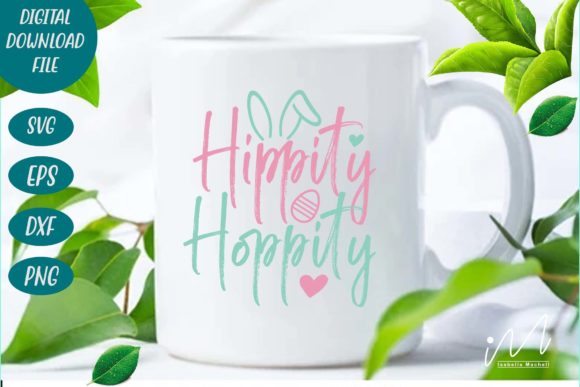
The layout of the Hippity Hoppity Svg is clean and centered, which is a good starting point for versatility. The typography appears to be a mix of rounded, friendly characters that avoid sharp, aggressive angles. In the world of Graphics and digital assets, this softness is intentional, but for embroidery, it presents both an opportunity and a challenge. Rounded letters tend to stitch out beautifully because they allow for smooth satin stitches or consistent fill patterns without the risk of jagged corners pulling away from the fabric.
The mood created by this design is undeniably cheerful. It fits naturally into the Crafts category, appealing to customers looking for seasonal decor or personalized gifts. When I visualize this on a product, I do not see it as a subtle, minimalist accent. Instead, it demands attention. This makes it ideal for items where the embroidery is the focal point, such as the front of a tote bag or the chest of a sweatshirt. The simplicity of the quote means it relies heavily on execution; there are no complex illustrations to hide behind, so the clarity of the lettering is paramount.
Real-World Application: The Tote Bag Test
To truly understand the value of this machine embroidery design, I imagined a specific scenario: preparing a custom order for a local boutique selling eco-friendly baby items. The client wanted a set of canvas tote bags for a spring market. I chose the Hippity Hoppity Svg for its thematic relevance. Canvas is a sturdy fabric with a distinct texture, which can sometimes swallow up fine details. Because this design features bold, open lettering, I anticipated it would perform well here. The negative space between the letters allows the fabric texture to breathe, preventing the design from looking like a solid, heavy block of thread.
If I were stitching this onto a sweatshirt embroidery project, the outcome would be equally promising. Fleece and cotton blends provide a plush background that contrasts nicely with crisp thread work. For a personalized gift, such as a child’s hoodie, the playful font aligns perfectly with the target demographic. Parents buying these items are looking for durability and charm. If the stitching is dense and secure, the product feels premium. If the threads snag or the design puckers, the perceived value drops instantly. This is why testing is non-negotiable.
Technical Considerations for Stitching
One of the most critical aspects of using any digital embroidery file is understanding how it interacts with different materials. Since the product description notes that you receive SVG, DXF, EPS, and PNG formats, it is important to clarify that these are primarily cut files or raster images. For machine embroidery, you must ensure you have the correct stitched file format compatible with your machine, or use software to convert these vectors into a proper embroidery file with defined stitch types. Assuming you have the correct digitized version, here is what to watch for.
Stitch density is a major factor. If the original digitizer used too much fill stitch in the letters, the fabric may pucker, especially on lighter materials like a kitchen towel or a thin t-shirt. I recommend checking the stitch count if available, or doing a test run on scrap fabric. For curved surfaces like caps or hats, the design needs to be relatively flat. The horizontal orientation of "Hippity Hoppity" works well for cap fronts, but you must use a strong stabilizer to prevent distortion during stitching.
Thread color choice will make or break this design. On dark fabrics, a light pastel thread will pop, but you must ensure the underlying stabilizer does not show through if the stitch coverage is not 100%. On white or light fabrics, vibrant colors add energy. I always advise testing the design in black and white mockups first to check for contrast issues before committing to expensive thread spools.
Where to Use Caution
While this design is versatile, it is not universal. I would hesitate to use it on very small hoop sizes if the text becomes illegible. Tiny lettering requires precise tension and high-quality thread. If you are scaling the Hippity Hoppity Svg down for a small embroidered patch or a baby onesie pocket, inspect the smallest details closely. If the gaps between letters become too narrow, the threads may merge, creating a blob rather than readable text.
Additionally, be cautious with stretchy fabrics. Without proper stabilization, the bouncing motion of the needle can distort the rounded shapes of the letters. For commercial embroidery projects where consistency is key, always mark your hoop placement precisely. A crooked "Hippity Hoppity" looks unprofessional and can lead to customer returns.
Enhancing Product Value and Brand Trust
For Etsy sellers and small shop product creators, the quality of your finished product directly impacts your brand reputation. Using a well-executed design like this can enhance customer trust. When a buyer receives a handmade product with clean, crisp stitching, they are more likely to leave positive reviews and return for future purchases. The playful nature of the quote encourages social sharing, which is free marketing for your business.
This design also works well for printable mockup previews. Since you receive PNG transparent files, you can create realistic digital previews of your embroidered items before you even stitch them. This helps in planning your inventory and marketing materials. However, remember that a mockup is not a substitute for a physical sample. Always stitch a final prototype to confirm that the thread colors and fabric combination meet your standards.
Final Verdict for Craft Entrepreneurs
The Hippity Hoppity Svg is a solid addition to your library of design assets, provided you approach it with a designer’s eye. It is best suited for medium to large applications on stable fabrics like canvas, denim, or fleece. It shines in holiday embroidery contexts, particularly for spring and Easter collections. Before using it for custom apparel or commercial sales, verify the licensing terms to ensure you are compliant with the creator’s rules for selling finished items.
Take the time to test on scrap fabric, adjust your tension, and choose high-quality thread. When executed with care, this design delivers a charming, professional finish that customers will love. It is a practical, joyful choice for makers who want to add a touch of whimsy to their embroidery project lineup without sacrificing quality.