Reviewing 50 BIRTHDAY DECORATIONS for Embroidery Projects
As a designer who has spent countless hours digitizing and stitching out machine embroidery design files, I approach every new asset with a critical eye. It is not enough for a graphic to look good on a screen; it must survive the needle, the thread tension, and the fabric grain. Recently, I evaluated 50 BIRTHDAY DECORATIONS, a collection of graphics intended for print-on-demand and digital use, to determine its viability for physical embroidery projects. My goal was to see if these assets could translate from flat Graphics into tactile, high-quality Crafts that elevate a small business inventory.
First Impressions and Visual Personality
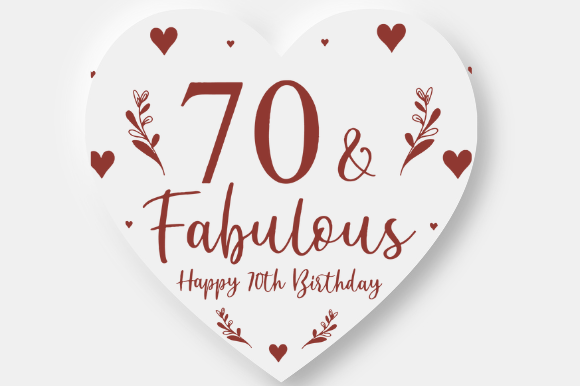
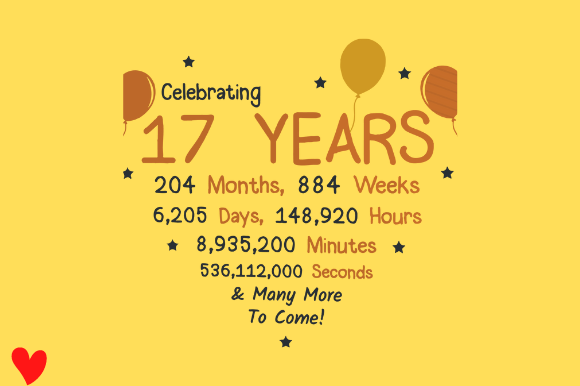
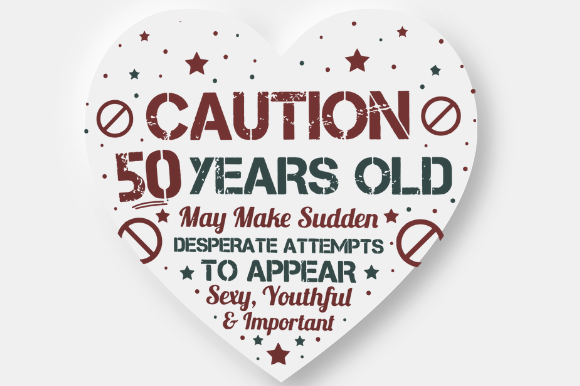
The initial encounter with 50 BIRTHDAY DECORATIONS suggests a celebratory and versatile mood. The layouts appear designed to capture attention, which is crucial for any personalized gift or boutique item. When reviewing such a large set of design assets, the variety is immediately apparent. However, for an embroiderer, variety means little without structural integrity. I looked closely at the shapes, looking for elements that would benefit from satin stitch borders versus those requiring dense fill stitch coverage. The visual personality leans toward bold statements, which generally translates well to thread, provided the details are not too fine for standard needles.
Real-World Application: The Custom Tote Test
To truly understand the potential of 50 BIRTHDAY DECORATIONS, I imagined a specific real-life scenario: preparing a custom embroidered tote bag for a local craft fair. Tote bags are a staple for any Etsy seller or craft business owner because they offer a large, stable canvas. I selected a few of the bolder graphics from the set to visualize on heavy cotton canvas. The result was promising. The broad strokes of the birthday-themed elements would hold up well against the textured weave of the fabric. Unlike delicate lace patterns that might get lost, these designs have the visual weight needed to stand out as a premium handmade product.
Beyond totes, I considered sweatshirt embroidery. A crewneck sweatshirt provides a soft, slightly fuzzy surface that can obscure tiny details. Here, the simpler icons within the 50 BIRTHDAY DECORATIONS pack would shine. Complex gradients in the original graphic would need to be simplified into solid blocks of color using appropriate thread colors. This simplification process is where the designer’s skill comes in, turning a digital image into a functional embroidery file that respects the limitations of the medium.
Navigating Technical Challenges
While the aesthetic appeal is strong, there are areas where caution is necessary. Not every graphic in a large bundle is suitable for every application. For instance, if you plan to use these designs on baby embroidery items like onesies, you must be mindful of stitch density. High-density fills can make fabric stiff and uncomfortable against sensitive skin. I would recommend using lighter fill settings or incorporating applique design techniques where fabric patches replace dense stitching. This not only reduces bulk but also adds a charming, layered texture to the finished product.
Another critical consideration is the hoop size. Many of the decorations in this set may be designed for larger prints. Attempting to shrink a complex graphic into a 4x4 inch hoop for a embroidered patch or a cap front can lead to disaster. Tiny lettering may merge, and fine lines may break under the stress of the needle. Before committing to a production run, it is essential to check the scale. If the design includes intricate corners or thin serifs, they may need to be removed or thickened during the digitizing phase to ensure clarity.
Fabric and Surface Considerations
The performance of 50 BIRTHDAY DECORATIONS will vary significantly depending on the substrate. On smooth, tightly woven fabrics like poplin or twill, the stitches will lay flat and crisp. However, on textured fabrics like terry cloth towels or fluffy fleece blankets, the visual impact changes. I found that designs with strong outlines work best on textured surfaces because the border helps define the shape against the pile. For holiday embroidery on kitchen towels, using a contrasting stabilizer and ensuring proper hooping is vital to prevent puckering, especially if the design covers a large area.
Dark fabrics present another challenge. If the original graphics rely on light backgrounds or subtle shadows, these will not translate directly to black or navy garments. In such cases, I advise creating a mockup in black and white to test contrast. You may need to add a satin stitch border around the entire design to separate it from the dark background, ensuring the custom apparel looks professional and legible from a distance.
Commercial Viability and Brand Trust
For small shop product lines, consistency is key. Using a cohesive set like 50 BIRTHDAY DECORATIONS can help establish a recognizable brand style. Customers associate clean, well-executed embroidery with quality. If the stitched result looks messy due to poor digitizing or inappropriate material choices, it undermines buyer trust. Conversely, a well-stitched design enhances the perceived value of the item, justifying a higher price point for commercial embroidery projects.
It is also important to consider the licensing terms. While the product description mentions suitability for POD sites, using these graphics for physical embroidery requires careful verification. Ensure that the license allows for the creation of physical goods for sale. Some digital licenses are restricted to digital prints only. Always confirm whether you can sell the finished product or if there are restrictions on commercial use. This due diligence protects your business from legal issues and ensures ethical practice.
Practical Designer Notes for Implementation
Before launching any new line using these assets, follow these practical steps:
- Test on Scrap Fabric: Never stitch directly on your final garment. Use scraps of the same material to test tension and density.
- Check Thread Contrast: Ensure your chosen thread colors stand out against the fabric. Use a color wheel to find complementary or high-contrast pairs.
- Review Stitch Density: Adjust density settings in your digitizing software to match the fabric weight. Lower density for stretchy or thin fabrics.
- Confirm Hoop Size: Match the design dimensions to your machine’s maximum hoop capacity to avoid re-hooping errors.
- Inspect Small Details: Zoom in on the design to identify any elements that are too small to stitch reliably. Remove or enlarge them.
- Use Proper Stabilizer: Choose cut-away stabilizer for stretchy knits and tear-away for stable wovens to support the stitches during washing.
- Verify Licensing: Read the terms of use for 50 BIRTHDAY DECORATIONS carefully to ensure commercial embroidery rights are included.
Final Verdict
50 BIRTHDAY DECORATIONS offers a robust foundation for creative entrepreneurs looking to expand their embroidery project portfolio. While it originates as a digital graphic resource, its bold shapes and celebratory themes adapt well to thread when handled with technical care. By respecting the limitations of fabric and machinery, and by applying thoughtful digitizing practices, you can transform these graphics into stunning tote bag design elements, eye-catching sweatshirt embroidery, and cherished personalized gift items. The key lies not just in selecting the design, but in understanding how it lives in the physical world. With the right preparation, this collection can become a valuable asset in your craft business toolkit, driving engagement and sales through high-quality, handmade appeal.