Reviewing HEART FUNNY 70TH for Real Embroidery Projects
As a designer who has spent countless hours staring at digitized files and watching needles punch through fabric, I have learned that not every graphic translates well to thread. When I first pulled up the HEART FUNNY 70TH design, my initial reaction was one of cautious optimism. It is categorized under Crafts and Graphics, which is a broad bucket, but for those of us running small shops or managing client orders, specificity matters. This piece promises a good response for print-on-demand sites, but my job is to determine if it holds up under the needle for physical, tangible products.
First Impressions and Visual Personality
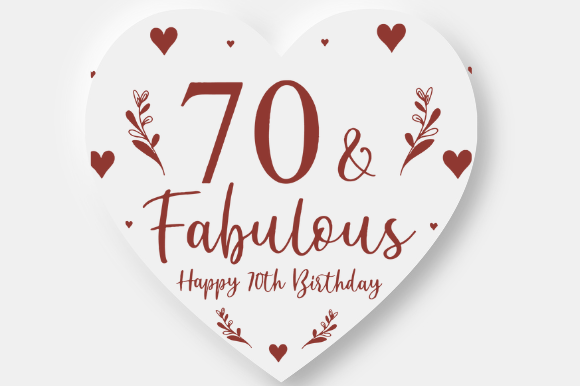
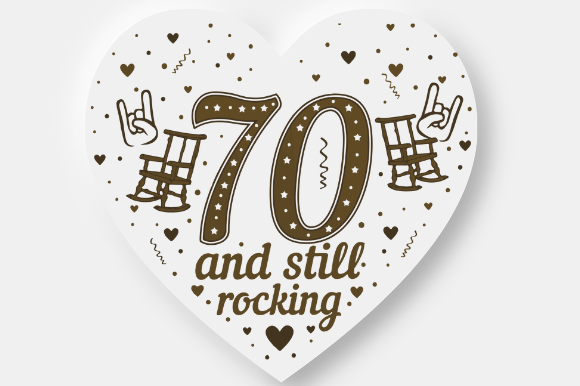
The mood of HEART FUNNY 70TH is celebratory yet playful. The heart motif suggests warmth and affection, while the "70th" element clearly targets a milestone birthday market. Visually, the layout appears balanced, avoiding the clutter that often plagues commemorative designs. For an embroidery project, this is crucial. Too many competing elements can lead to a muddy finished product where details get lost in the stitch density.
I appreciate that the design does not rely on ultra-fine lines that might break during production. Instead, it seems to favor bold shapes that will read clearly from a distance. This makes it an excellent candidate for items where the viewer might be standing a few feet away, such as a sweatshirt worn at a party or a tote bag carried through a crowd.
Real-World Application: The Custom Sweatshirt Test
To truly evaluate this asset, I imagined a specific real-life scenario. A client approaches me with a request for a custom embroidered sweatshirt for their grandmother’s 70th birthday. They want something that feels personal but not overly sentimental. This is where HEART FUNNY 70TH shines. Placing this design on the left chest of a high-quality cotton blend sweatshirt creates an instant boutique feel.
Unlike a printed graphic, embroidery adds texture and perceived value. The raised stitches of the heart shape catch the light, giving the garment a premium look. If I were producing this, I would likely use a satin stitch for the heart outline to create a smooth, glossy finish, while employing a fill stitch for any larger solid areas to ensure durability. The result is a handmade product that feels substantial and thoughtful, far exceeding the perceived value of a standard printed tee.
Versatility Across Product Lines
Beyond apparel, this design has legs in other categories. Consider a canvas tote bag design. The sturdy nature of canvas handles higher stitch densities well, allowing the design to pop without distorting the fabric. It could also work beautifully on a kitchen towel or apron, adding a festive touch to holiday gatherings. For Etsy sellers looking to expand their inventory, this graphic serves as a versatile digital embroidery file that can be adapted for multiple niches, from baby embroidery on onesies (if scaled down appropriately) to decorative accents on pillow covers.
Technical Considerations for Stitching
While the aesthetic appeal is strong, practical execution requires attention to detail. Before loading this into your machine, you must consider the substrate. Textured fabrics like terry cloth or heavy denim may require adjustments to your stabilizer choice. A cut-away stabilizer is often safer for stretchy fabrics like jersey knits to prevent puckering, while a tear-away might suffice for stable woven cottons.
One area where caution is needed is with small hoop sizes. If you are working with a 4x4 inch hoop, ensure that the scaling of HEART FUNNY 70TH does not compromise the legibility of the "70th" text. Tiny lettering can become illegible if the stitch count is too low or if the thread color lacks contrast against the fabric. Always test the design on scrap fabric first. This simple step saves time and materials, allowing you to check thread color contrast and inspect small details before committing to the final piece.
Navigating Fabric and Color Challenges
Dark fabrics present a unique challenge. If you are stitching on navy or black, ensure your thread colors are vibrant enough to stand out. A muted pink heart might disappear on a dark grey sweatshirt. I recommend testing it in black and white mockups to gauge contrast levels. Additionally, be mindful of dense stitch areas. If the heart is heavily filled, it can create a stiff patch on soft garments. Balancing stitch density with fabric texture is key to maintaining comfort, especially for items like baby clothes or wearable apparel.
For curved surfaces like caps, the design placement is critical. Centering the heart on the front panel works well, but avoid placing it too close to the seams where the hoop might struggle to hold the fabric taut. An embroidered patch is another viable option here, allowing you to stitch the design on a flat surface and then apply it to the cap, ensuring crisp edges and professional presentation.
Business Value and Brand Consistency
For craft business owners and creative entrepreneurs, the right design assets can streamline production. HEART FUNNY 70TH offers a ready-made solution for a high-demand niche: milestone birthdays. By using a consistent design style across your shop, you build brand recognition. Customers begin to associate your clean, well-executed embroidery with quality.
This design also enhances giftability. A personalized gift featuring this motif feels exclusive. It shows that thought went into the selection, rather than just grabbing a generic item off the shelf. For commercial embroidery projects, this means higher customer trust and potentially higher price points. Buyers are willing to pay more for items that look professionally crafted and unique.
Final Verdict and Practical Advice
In summary, HEART FUNNY 70TH is a solid addition to your library of design assets. It balances fun and functionality, making it suitable for a wide range of applications from custom apparel to home decor. However, success depends on your technical execution. Always confirm licensing before selling finished items or digital products. Since specific file formats and exact stitch counts are not detailed in the basic description, you must verify these details with the provider to ensure compatibility with your specific embroidery machine.
Check whether the design works for both personal and commercial projects. Review the included file types to see if you have the necessary formats for your software. With proper preparation, including the right stabilizer and thread choices, this design can become a staple in your small shop product lineup. It is not just a graphic; it is a tool for creating memorable, tactile experiences for your customers. Use it wisely, test it thoroughly, and let the quality of your stitching speak for itself.