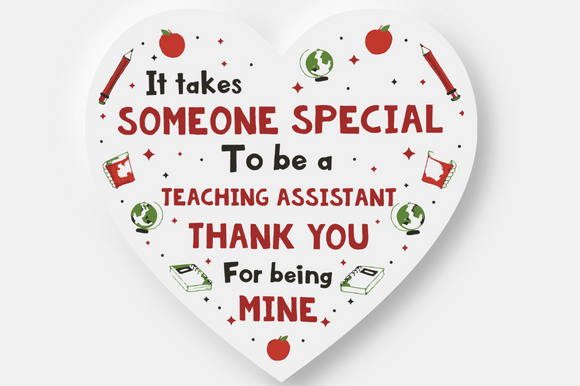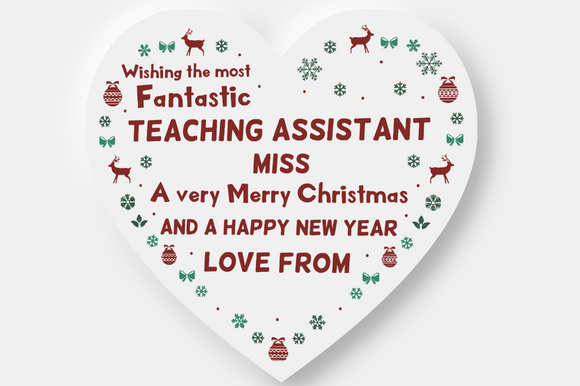
Reviewing the Christmas Teaching Assistant Design
As a designer who spends more time staring at stitch previews than actual fabric, I have learned to be skeptical of holiday graphics. The market is flooded with generic snowflakes and rushed typography that looks fine on a screen but turns into a tangled mess under the needle. When I first pulled up the CHRISTMAS TEACHING ASSISTANT graphic design asset, my initial reaction was cautious curiosity. It promises vintage effects and retro typography, two elements that are notoriously difficult to translate into a clean machine embroidery design without losing their charm.
The visual personality of this piece is distinct. It does not scream for attention with neon brightness; instead, it relies on a nostalgic, warm aesthetic that feels appropriate for the education sector. For those of us creating handmade product lines for teachers, this mood is critical. Teachers often prefer subtle, professional, yet festive designs over loud, cartoonish graphics. This design fits that niche perfectly, offering a balance between holiday cheer and classroom appropriateness.
From Screen to Stitch: A Real-World Test
To truly evaluate any embroidery file, you must imagine it on a physical object. I recently worked on a custom order for a local boutique specializing in teacher appreciation gifts. The client wanted a set of personalized tote bags and heavy cotton sweatshirts. This was the perfect scenario to test how CHRISTMAS TEACHING ASSISTANT would perform in a real embroidery project.
On a canvas tote bag design, the retro typography held up surprisingly well. The bold lines of the lettering allowed for solid fill stitch coverage without becoming too dense or stiff. However, the vintage effects mentioned in the product description require careful handling. In embroidery, "vintage" often implies distressed edges or faded looks. If you attempt to replicate this digitally with random stitch gaps, you risk structural weakness. Instead, I found that using varied thread colors to create depth was more effective than trying to mimic distress through stitch placement.
When applied to a sweatshirt embroidery project, the design needed adjustment. The fleece texture of the garment can swallow small details. I noticed that the finer elements of the graphic required a slight increase in stitch density to remain visible against the plush background. This is a common challenge with Crafts and Graphics intended for multiple mediums. What works on smooth cotton may vanish on textured knits.
Navigating Fabric and Hoop Constraints
One of the most important aspects of reviewing a design is identifying where it should not be used. While CHRISTMAS TEACHING ASSISTANT is versatile, it is not universal. I would advise caution when using this on curved surfaces like caps. The width of the typography might exceed standard cap hoop sizes, requiring significant resizing that could compromise the legibility of the text.
Similarly, thin or stretchy fabrics present a hurdle. If you are planning baby embroidery on a onesie, the stabilizer choice becomes paramount. A heavy cut-away stabilizer might be necessary to prevent puckering, especially if the design includes large solid areas. Always test the design on scrap fabric first. Check how the running stitch outlines behave on your specific material. If the fabric shifts, the registration between color layers will fail, ruining the crispness of the retro effect.
Dark fabrics also pose a challenge. If you are stitching this onto a navy or black garment, ensure your thread colors have enough contrast. A muted vintage palette might disappear into dark backgrounds. I recommend creating black and white mockups to verify value contrast before committing to thread selection.
Commercial Viability and Brand Consistency
For Etsy seller accounts and small shop product lines, consistency is key. This design asset offers a cohesive look that can be extended across various items. Imagine a collection featuring embroidered aprons, kitchen towels, and pillow covers all utilizing the same typographic style. This creates a strong brand identity that customers recognize and trust.
The commercial embroidery potential here is high, provided you respect the licensing terms. Since this is marketed as a graphic design for POD (Print on Demand) businesses, it is crucial to confirm whether the license extends to physical stitched goods. Many digital assets have different rules for printed versus stitched applications. Do not assume permission; always check the specific license included with the digital embroidery file or contact the creator directly.
From a buyer engagement perspective, this design appeals to a specific demographic: educators who take pride in their role. A personalized gift featuring this design feels thoughtful and tailored, rather than mass-produced. This emotional connection drives higher perceived value, allowing crafters to price their finished product more competitively.
Practical Notes for the Embroiderer
Before you load this into your machine, consider these technical adjustments:
- Check Stitch Density: Vintage effects can sometimes lead to overly complex paths. Simplify where possible to reduce thread breaks and machine time.
- Thread Selection: Use matte threads like rayon or polyester to enhance the retro feel. Shiny metallic threads might clash with the subdued aesthetic.
- Hoop Size: Ensure your hoop is large enough to accommodate the full width of the typography without needing to split the design, which can cause alignment issues.
- Stabilizer: Match the stabilizer to the fabric weight. Heavy denim needs different support than lightweight linen tea towels.
- Test Stitch: Always run a test on similar fabric. Check for puckering, thread tension, and color registration.
In conclusion, CHRISTMAS TEACHING ASSISTANT is a strong contender for holiday-themed design assets. It requires a thoughtful approach to execution, particularly regarding fabric choice and stitch optimization. It is not a plug-and-play solution for every surface, but with proper preparation, it yields professional, high-quality results that resonate with customers. For designers willing to put in the prep work, it is a valuable addition to their holiday catalog.