Reviewing the TEACHER GIFT HEART for Embroidery
As a designer who has spent years translating digital concepts into thread, I approach every new machine embroidery design with a mix of curiosity and skepticism. We have all seen graphics that look stunning on a screen but turn into a tangled mess of thread breaks and puckering once they hit the hoop. Recently, I evaluated the TEACHER GIFT HEART, a graphic asset marketed for print-on-demand businesses, to see how it holds up when adapted for real-world stitching projects.
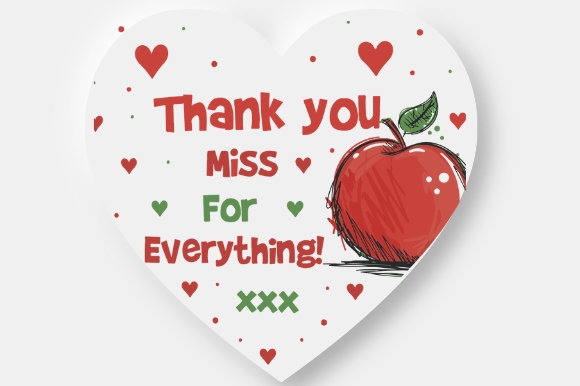
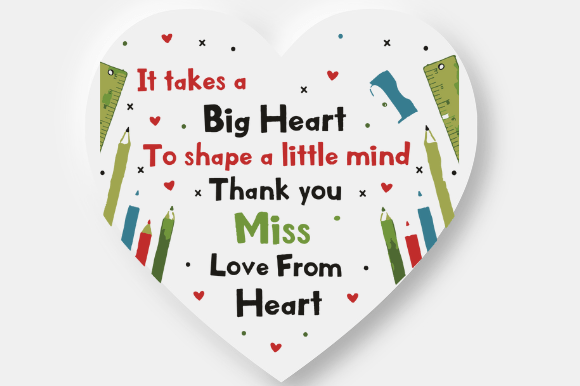
The initial impression of the TEACHER GIFT HEART is one of warmth and nostalgia. It leans heavily into vintage effects and retro typography, creating a mood that feels personal rather than corporate. For those of us in the Crafts sector, this aesthetic is gold. It suggests a handmade quality even before the needle touches the fabric. However, moving from a flat Graphics file to a three-dimensional embroidered product requires careful consideration of stitch types, density, and fabric choice.
From Screen to Stitch: Visual Appeal and Layout
The core strength of this design lies in its thematic clarity. The heart motif combined with teacher-focused messaging creates an immediate emotional connection. When I visualize this as an embroidery project, I see it working best where the sentiment is the focal point. The layout appears balanced, which is crucial for maintaining symmetry during stitching. If the design relies on intricate details or tiny lettering, we must be cautious. In embroidery, small text can easily become illegible if the stitch density is too high or if the thread color lacks contrast against the background.
I imagine placing this design on a canvas tote bag design or a heavy cotton sweatshirt. The retro vibe pairs beautifully with the texture of natural fibers. On a smooth, high-thread-count shirt, the vintage effects might get lost unless we use specific techniques like distressed fill stitches or varied thread weights. The visual personality of the TEACHER GIFT HEART suggests it belongs on items meant to be cherished and displayed, such as a personalized teacher appreciation gift or a boutique classroom decor item.
Real-World Application: A Case Study
Let’s consider a practical scenario. A local elementary school is organizing a end-of-year appreciation event, and a parent wants to create custom personalized gift items for the staff. They choose the TEACHER GIFT HEART for a series of aprons and tote bags. Here, the design’s versatility shines. For the aprons, which are often made of durable cotton or linen, the design needs to withstand frequent washing. This means we cannot rely solely on delicate satin stitches for large areas; a combination of fill stitch for the heart shape and running stitch for outlines might provide better durability and a more authentic, hand-drawn look.
If we were to adapt this for sweatshirt embroidery, the stretch of the fabric becomes a factor. The heart shape must remain symmetrical even when the garment is worn. Using a cut-away stabilizer is non-negotiable here to prevent distortion. The retro typography within the design must be scaled appropriately. If the letters are too thin, they may sink into the fleece. In this case, increasing the stitch width or choosing a thicker thread weight could enhance visibility and tactile appeal.
Navigating Technical Challenges
While the aesthetic is strong, there are areas where the TEACHER GIFT HEART requires careful handling. Any design with vintage effects often implies distressed edges or faded elements. In digital design assets, this looks artistic. In embroidery, "distressed" can sometimes translate to unnecessary jump stitches or weak structural integrity if not digitized correctly. I recommend inspecting the digitized version closely. Are the distressed areas actual gaps in stitching, or just color changes? Gaps can lead to fraying over time, especially on items like embroidered patch applications or frequently used kitchen towels.
Another critical consideration is the hoop size. If the design is large, it may require re-hooping or a larger frame, which increases the risk of alignment errors. For smaller items like baby clothes or caps, scaling down the design might compromise the legibility of the text. Always test the design on scrap fabric first. Check how the thread colors interact with the fabric texture. A dark navy thread on a black cap might disappear, whereas a cream thread on a tan tote bag offers subtle, elegant contrast.
Commercial Viability and Brand Consistency
For Etsy sellers and small shop owners, the TEACHER GIFT HEART offers a ready-made solution for a high-demand niche. Teacher gifts are a consistent market, particularly around holidays and the end of the school year. Using a pre-designed graphic can save time, but it must feel unique to your brand. Customizing the thread colors to match your shop’s palette or adding complementary elements like flowers or stars can elevate the finished product from generic to bespoke.
Customer trust is built on quality. A well-executed embroidery job signals professionalism. If the TEACHER GIFT HEART is stitched cleanly, with no bird nests or loose threads, it enhances the perceived value of the item. Buyers are willing to pay more for handmade product quality that looks intentional and durable. However, this relies on proper digitization. Since the original description mentions it as a graphic design for POD, you must ensure you have the rights to convert it into a digital embroidery file or that you are purchasing a properly digitized version. Always confirm licensing before selling commercial embroidery items.
Practical Designer Notes
Before committing to a full production run, follow these steps:
- Test on Scrap Fabric: Always stitch out a sample on the exact fabric type you plan to use. This reveals issues with tension and density.
- Check Contrast: View your design in black and white. If the details disappear, adjust your thread choices or simplify the design.
- Verify Licensing: Ensure the TEACHER GIFT HEART license allows for commercial use of finished physical goods. Graphic licenses differ from embroidery file licenses.
- Stabilizer Selection: Match your stabilizer to your fabric. Use tear-away for stable wovens and cut-away for knits and stretchy materials.
- Inspect Small Details: Zoom in on the digitized file. Look for excessive jump stitches or tiny, fragile stitches that may break during wear.
In conclusion, the TEACHER GIFT HEART has significant potential for custom apparel and gift items. Its retro charm and emotional resonance make it a strong candidate for the education niche. However, success depends on thoughtful adaptation from graphic to thread. By paying attention to stitch density, fabric compatibility, and finishing details, you can transform this digital asset into a tangible, high-quality product that customers will love. Whether you are creating a single holiday embroidery piece for a friend or stocking your small shop product line, treat this design with the technical respect it deserves, and it will reward you with beautiful results.